
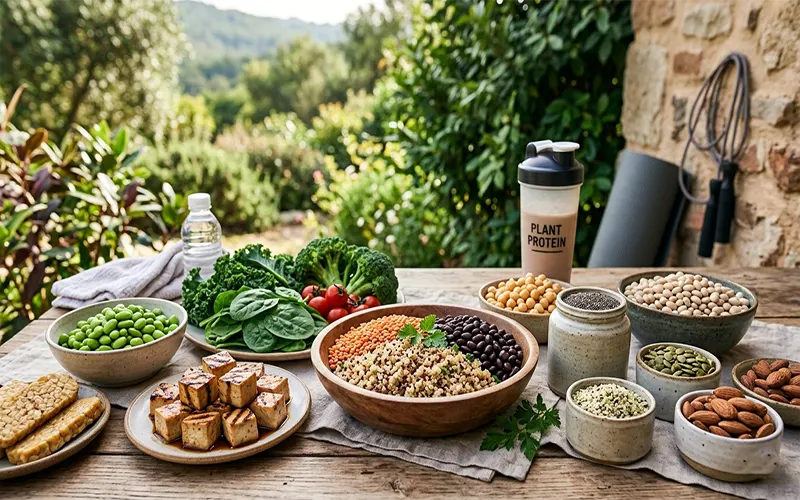
The long-standing myth that elite muscle recovery requires animal-derived protein is rapidly being dismantled by both laboratory science and the performance of world-class athletes. Whether you are a marathon runner, a weightlifter, or a weekend warrior, the goal remains the same: repairing the microscopic tears in muscle fibers caused by strenuous activity. This process, known as Muscle Protein Synthesis (MPS), is the cornerstone of fitness progress.
While many associate recovery with a whey shake, plant-based proteins offer a unique advantage. Beyond providing the necessary building blocks for tissue repair, plants come “pre-packaged” with antioxidants and phytonutrients that combat systemic inflammation—a primary cause of Delayed Onset Muscle Soreness (DOMS).
The Science of Plant-Based Recovery
To understand how plants build muscle, we must look at the amino acid profile. Proteins are made of 20 amino acids, nine of which are “essential,” meaning the body cannot produce them. A common critique of plant proteins is that they are “incomplete,” lacking one or more of these nine. However, by consuming a varied diet throughout the day, the body maintains an amino acid pool that it draws from to complete these profiles.
The most critical factor in triggering MPS is the amino acid Leucine. This “anabolic trigger” signals the body to begin the repair process. While found in lower concentrations in individual plants compared to dairy, sources like soy and seitan provide ample amounts to hit the “leucine threshold” required for optimal recovery. Furthermore, the high fiber and complex carbohydrate content of plants help replenish glycogen stores, ensuring your energy levels bounce back as quickly as your muscles do.
The Top 5 Plant-Based Powerhouses
1. Tempeh and Tofu (The Soy Giants)
Soy remains the gold standard of plant protein due to its high bioavailability and complete amino acid profile.
- Nutritional Punch: Tempeh offers approximately 31g of protein per cup, while firm tofu provides about 20g.
- Recovery Benefit: Tempeh is fermented, making it easier on the digestive system and improving nutrient absorption. Soy also contains isoflavones, which may help reduce oxidative stress following high-intensity interval training (HIIT).
2. Seitan (The Protein Density King)
Often called “wheat meat,” seitan is made from hydrated gluten, the main protein found in wheat.
- Nutritional Punch: It is remarkably protein-dense, boasting roughly 25g of protein per 3.5-ounce serving.
- Recovery Benefit: For athletes on a “cutting” phase or those who struggle to eat high volumes of food, seitan provides the highest protein-to-calorie ratio in the plant kingdom, allowing for rapid amino acid delivery without excessive caloric intake.
3. Lentils and Legumes
Lentils are a staple for a reason; they are versatile, affordable, and incredibly effective for long-term recovery.
- Nutritional Punch: One cooked cup of lentils provides 18g of protein.
- Recovery Benefit: Lentils are rich in iron and folate. Iron is essential for transporting oxygen to recovering muscle tissues, while the slow-digesting carbohydrates in legumes provide a steady release of energy, preventing the post-workout “crash.”
4. Quinoa and Buckwheat (The Complete Pseudo-Cereals)
While often treated as grains, these are actually seeds that contain all nine essential amino acids.
- Nutritional Punch: Quinoa provides about 8g of protein per cooked cup.
- Recovery Benefit: These sources are naturally gluten-free and easy on the gut. They are also high in magnesium, a mineral that plays a vital role in muscle contraction and relaxation, helping to prevent post-workout cramping.
5. Hemp and Pumpkin Seeds
Don’t let their size fool you; seeds are nutritional dynamos that can be easily added to any meal.
- Nutritional Punch: Three tablespoons of hemp hearts offer 10g of high-quality protein.
- Recovery Benefit: Hemp seeds are a rare plant source of Omega-3 fatty acids, which are known for their potent anti-inflammatory properties. Meanwhile, pumpkin seeds are one of the best sources of zinc, which is crucial for cellular repair and immune function.
Optimizing Absorption and Nutrient Timing
Simply eating protein isn’t enough; you must ensure your body can utilize it. To maximize your plant-based athlete potential, consider these strategies:
- Protein Pairing: While not necessary at every single meal, pairing “complimentary proteins”—like brown rice with beans or whole-grain bread with peanut butter—ensures a robust amino acid profile.
- The Vitamin C Connection: Plant-based iron (non-heme iron) is absorbed more efficiently when paired with Vitamin C. Squeeze lime over your lentil tacos or add bell peppers to your tofu stir-fry to boost nutrient uptake.
- The Hydration Factor: Recovery cannot happen in a dehydrated state. Water is the primary medium for transporting branched-chain amino acids (BCAAs) to the muscle groups that need them most.
A New Standard for Strength
Transitioning to plant-based recovery isn’t about restriction; it’s about diversification. By leaning into a variety of legumes, seeds, and fermented soy, you provide your body with a sophisticated toolkit for repair. These foods do more than just build fiber; they lower inflammation, improve digestion, and provide sustainable energy.
Whether your goal is to set a personal best or simply move without pain the next morning, the power of plants is a proven, science-backed path to peak physical condition. Start by incorporating one of these powerhouses into your post-workout meal today, and feel the difference that clean, plant-derived fuel can make.

