
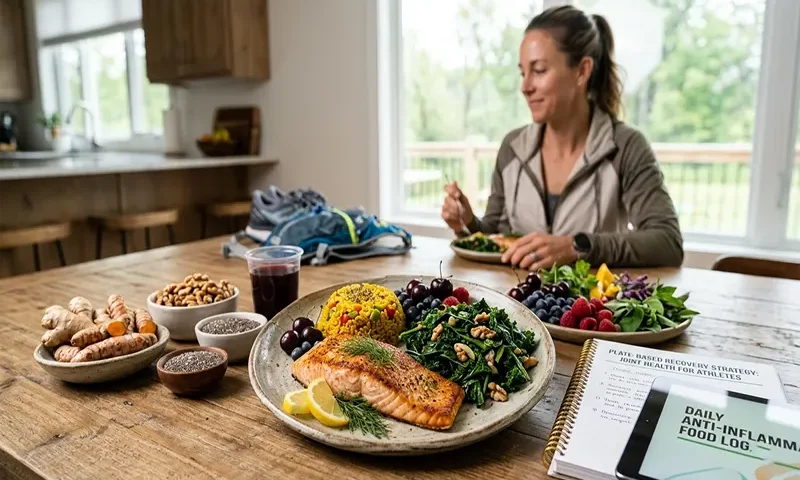
For the dedicated athlete, inflammation is a double-edged sword. In the hours following a grueling weightlifting session or a long-distance run, acute inflammation is actually a signal for growth; it’s the biological “fire” that tells the body to repair muscle tissue and get stronger. However, when that fire isn’t extinguished, it becomes chronic. For many athletes, this manifests as “creaky” knees, stiff shoulders, and the slow degradation of joint cartilage.
In 2026, the elite athletic community has shifted its focus from masking joint pain with over-the-counter NSAIDs (Non-Steroidal Anti-Inflammatory Drugs) to a “food-first” recovery strategy. By prioritizing specific natural compounds, you can support your synovial fluid and protect your cartilage, ensuring athletic longevity well into your 40s, 50s, and beyond.
The “Heavy Hitters”: Top Anti-Inflammatory Powerhouses
To fight systemic inflammation, your diet must go beyond general “healthy eating” and target specific biochemical pathways.
Omega-3 Fatty Acids: The Cellular Lubricant
The gold standard of anti-inflammatory nutrition remains Omega-3 fatty acids, specifically EPA and DHA. These fats inhibit the production of enzymes that break down joint cartilage.
- The Sources: Cold-water fish (salmon, mackerel, sardines), walnuts, chia seeds, and flaxseeds.
- The Athlete’s Edge: High-dose Omega-3s have been shown to reduce C-reactive protein (CRP), a key marker of systemic inflammation, helping joints stay mobile after high-impact training.
Curcumin & Piperine: The Golden Synergy
Turmeric contains curcumin, a compound that rivals some anti-inflammatory medications in its effectiveness. However, curcumin is poorly absorbed by the human body on its own.
- The Hack: Always pair turmeric with black pepper. The compound piperine in black pepper increases curcumin absorption by up to 2,000%.
- Application: Add a turmeric-ginger-black pepper tonic to your post-workout routine.
Anthocyanins: The Recovery Accelerators
The deep pigments in tart cherries, blueberries, and blackberries are more than just color; they are anthocyanins.
- The Evidence: Studies on marathon runners show that tart cherry juice significantly reduces muscle pain and joint inflammation, allowing for a faster return to training.
Sulforaphane: The Cartilage Shield
Cruciferous vegetables like broccoli, Brussels sprouts, and bok choy contain sulforaphane. This molecule blocks the enzymes that cause joint destruction and helps maintain the integrity of the “shock absorbers” in your knees and hips.
The “Inflammation Triggers” to Avoid
You cannot “out-eat” a pro-inflammatory diet. If your joints feel hot and swollen, evaluate your intake of the following:
- Ultra-Processed Sugars: High fructose corn syrup triggers the release of pro-inflammatory messengers called cytokines.
- Refined Seed Oils: Oils high in Omega-6 (like soybean or corn oil) can tilt your body into a pro-inflammatory state if not balanced with enough Omega-3s.
The Nightshade Debate: You may have heard that tomatoes, potatoes, and peppers (nightshades) cause joint pain. For 90% of athletes, this is a myth. Unless you have a specific sensitivity or an autoimmune condition like rheumatoid arthritis, the antioxidants in these vegetables far outweigh any potential “inflammatory” lectins.
The Biochemistry of Joint Lubrication
Joint health isn’t just about reducing “bad” inflammation; it’s about building “good” structure. Cartilage is roughly 70% water and 30% matrix (mostly collagen and proteoglycans).
- Vitamin C & Collagen: Your body cannot synthesize collagen without Vitamin C. Pairing bone broth or collagen peptides with citrus fruits, bell peppers, or strawberries is essential for tendon and ligament repair.
- Hydration as Cushioning: Cartilage relies on water to stay spongy. Dehydration makes your “shock absorbers” brittle, increasing the friction between bones during high-impact movements.
Strategic Swaps for Athletic Longevity
| Pro-Inflammatory Staple | Anti-Inflammatory Swap | Why It Matters |
| Sugary Sports Drinks | Tart Cherry Juice / Coconut Water | Anthocyanins reduce oxidative stress |
| White Flour Pasta | Quinoa or Wild Rice | Magnesium in grains supports bone density |
| Soybean Oil Dressing | Extra Virgin Olive Oil | Oleocanthal in EVOO mimics ibuprofen |
| Red Meat (Daily) | Wild-Caught Salmon / Tempeh | Shifting the Omega 3:6 ratio |
Bio-Hack Sidebar: The Bromelain Effect
Found primarily in the core of pineapples, Bromelain is a powerful enzyme that has been used for decades to treat sports injuries. It works by breaking down fibrin, a protein involved in the swelling process. Adding fresh pineapple to your post-run smoothie can naturally decrease the “tightness” in your ankles and knees.
The “Anti-Inflammatory Window”: Meal Timing
To maximize joint recovery, aim to consume a “Recovery Bowl” within two hours of a high-impact session. This is when your blood flow is highest and your cells are most receptive to nutrients.
The Ultimate Joint-Support Smoothie:
- 1 cup frozen tart cherries (Anthocyanins)
- 1 scoop collagen peptides (Structural support)
- 1/2 inch fresh ginger (Anti-nausea & anti-inflammatory)
- 1/2 cup fresh pineapple (Bromelain)
- A pinch of black pepper and turmeric
- Coconut water (Hydration)
The Cumulative Effect
One salad won’t fix a torn meniscus, and one turmeric latte won’t cure chronic arthritis. The power of anti-inflammatory nutrition for athletes lies in accumulation. By consistently choosing foods that dampen the inflammatory fire, you aren’t just recovering from yesterday’s workout; you are investing in the “you” of ten years from now.
Treat your joints with the same respect you treat your muscles. Fuel them with Omega-3s, protect them with antioxidants, and hydrate them like your performance depends on it—because it does. Your career longevity is decided at the end of your fork.

