Nutrient-Dense Snack Recipes for Active, Growing Children: Fueling Play and Development

If you’ve ever watched a child sprint across a soccer field only to “melt down” in the car ten minutes later, you’ve witnessed the metabolic volatility of a growing human. Children are not just small adults; they are high-performance engines with small fuel tanks. Because they have higher metabolic rates and smaller glycogen (sugar) stores than adults, active children require frequent, high-quality fueling to support both their physical play and their rapid cellular development.

In 2026, we are moving away from the “empty calorie” era of neon-colored crackers and sugary granola bars. The goal for the modern parent is to provide snacks that balance the Power Trio: Protein, Fiber, and Healthy Fats. This combination slows down digestion, providing a steady stream of energy to the brain and muscles rather than a spike-and-crash cycle.

The “Active Child” Metabolism: Why Quality Matters

An active child’s body is under constant construction. They aren’t … Read more

Quick and Healthy Lunchbox Ideas for Picky Eaters: A Stress-Free Guide for Parents

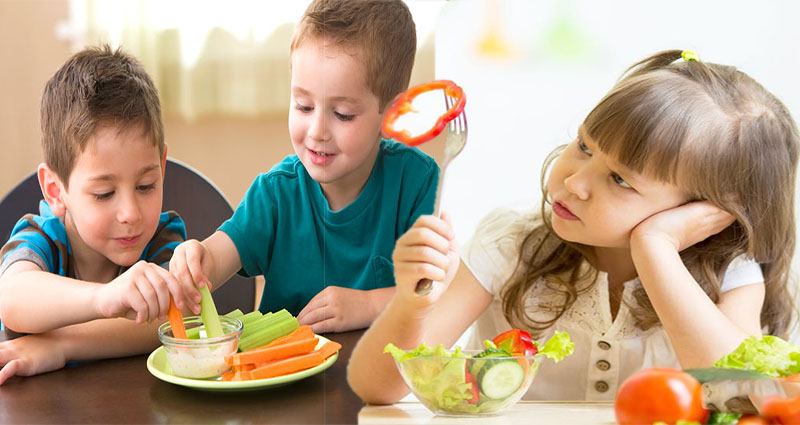
If the daily ritual of packing a school lunch feels like a high-stakes negotiation, you are not alone. For parents of picky eaters, the “returned lunchbox”—full of untouched carrot sticks and a brown-edged sandwich—is a source of genuine stress. We worry about nutrition, energy levels for afternoon learning, and the growing divide between what we want them to eat and what they actually consume.

In 2026, pediatric nutritionists have shifted the conversation. We no longer view picky eating as “bad behavior” but as a combination of evolutionary survival, sensory processing, and a child’s need for autonomy. The lunchbox is not the place to win a food battle; it is a place to provide reliable, “safe” fuel. By understanding the psychology of the plate and utilizing the power of deconstruction, you can pack a lunch that actually gets eaten.

The Psychology of the Picky Eater: Why They Say “No”

Many picky … Read more

Unhealthy Food For Kids

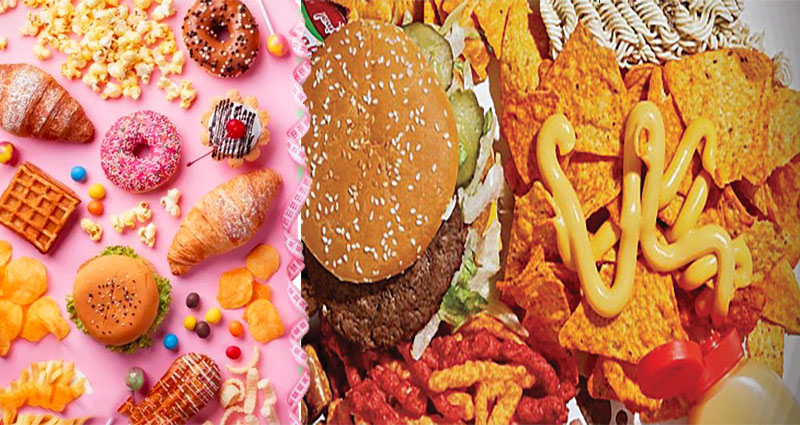
We have all heard that popcorn, greasy snack foods and ice cream are unhealthy for our children. But do these things really make them sick? Read on to find out. We’ll also touch on the infamous “sugar bomb” and “fatty snack foods” which have become so common that the World Health Organization has banned them. And what about the advertisements for these foods?

What are the benefits and risks for our children?

Popcorn

You may have heard that popcorn is a bad food for kids, but this isn’t necessarily the case. This snack is filled with plenty of dietary fiber and a relatively low calorie content. That’s why it’s often regarded as a healthy food for kids at the movie theater. However, not all popcorn is created equal. The unhealthy fats found in commercial popcorn are especially bad for the brain.

Processed meats

There is no doubt that processed meats … Read more

5 Types of Energy Food For Kids

There are many different types of energy food for kids. You may already be aware of fruit and vegetables and the antioxidants they contain. But are they good sources of energy? Or is there something else you can do to increase your kid’s energy levels? Here are some ideas:

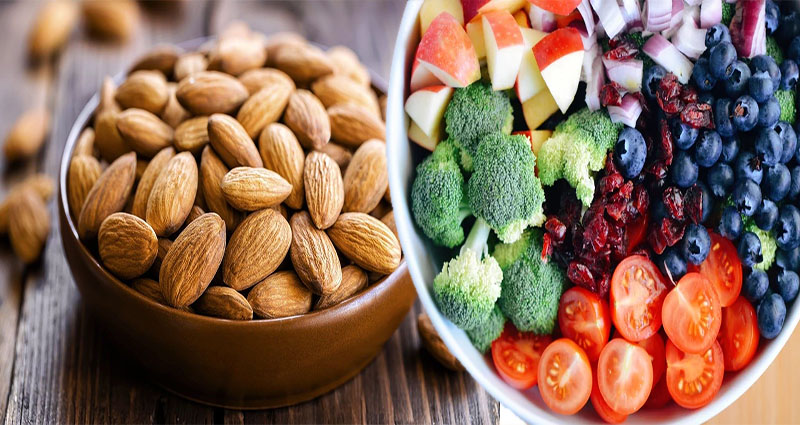
Fruits and vegetables

Although they can be filling and delicious, fruits and vegetables have many other benefits for kids, too. Although many kids dislike them, they have powerful nutritional benefits that are essential to their growth and development. They can provide energy to kids who need to burn extra calories after a long day at school. Listed below are some of the benefits of fruits and vegetables. You can also read more about fruits and vegetables to boost your child’s energy levels.

Nuts

Nuts contain a rich source of monounsaturated fatty acids, protein, and healthy fats. Among their many other benefits, … Read more

The Importance of Healthy Food For Kids

Almost all fruit and vegetables are great for adding nutrients to your child’s diet. When buying fruit and vegetables, focus on those without added sugars. Fruit juices and canned versions often contain added sugar. Always read nutrition labels when you go grocery shopping.

Vegetables are harder to get your child to eat, and many canned and frozen varieties have high sodium levels. Try to choose different colors of vegetables to represent different nutrients.

Avoiding trans and saturated fats

Aim to limit your child’s total intake of fats and oils. This includes mayonnaise, salad dressings, sauces, and homemade low-fat products. Choose products that are low in sodium, such as nonhydrogenated peanut butter. When choosing breads, pastas, and other grains, choose whole grains, as they tend to have less sodium. Also, limit your child’s intake of high-fat dairy products, which may include nitrates.

Plant oils are another source of fat in a … Read more